Are Blood Sugar Supplements Safe? Side Effects & Interactions Explained
A dietary supplement is not a medicine and is not a treatment, drug or cure for diabetes or prediabetes. Blood sugar that runs high or swings unpredictably is a medical condition, and it needs a doctor rather than a supplement.
Never stop, reduce, delay or change a prescribed medication — insulin, metformin or anything else — because of an article or because you have started a supplement. Supplements taken alongside glucose-lowering medication can push readings lower than intended, so tell your prescriber before you add one. This article is general information, not medical advice or a diagnosis.
| General picture | For most healthy adults, well-made formulas with recognised ingredients are generally well tolerated. |
| Common side effects | Usually mild and digestive — often eased by taking with food or starting gradually. |
| Biggest caution | Interactions with medication — “natural” does not mean interaction-free. |
| The one rule | Talk to your doctor or pharmacist first if you take medication or have a condition. |

Are blood sugar supplements safe? It is exactly the right question to ask before you spend money or start a new daily habit, and the honest answer is a nuanced “usually, but it depends.” Safety is not a property of the whole category — it depends on the specific ingredients, the quality of the manufacturer, the amount you take and, above all, your personal health situation. A blanket “yes” or “no” would be misleading.
This guide gives you a clear, non-alarmist look at the real safety considerations: the common side effects, the interactions that genuinely matter, the quality red flags to avoid, and who should always check with a professional first. This is general educational information, not medical advice, and it does not replace a conversation with your own doctor or pharmacist — who know your history and your prescriptions.
“Natural” does not automatically mean “safe for everyone”
The most important myth to retire first: the word natural is not a safety guarantee. Plenty of powerful, even dangerous, substances are perfectly natural. When it comes to supplements, “natural” simply describes the origin of an ingredient, not how it behaves in your body alongside your medications and your health conditions. The National Center for Complementary and Integrative Health makes exactly this point in its overview of dietary and herbal supplements: a botanical is still a biologically active substance, and some interact with prescription medicines.
That said, this cuts both ways — it is not a reason for fear either. Recognised blood-sugar-support ingredients used at sensible amounts in reputable products have long histories of general or traditional use and are, for most healthy adults, well tolerated. The goal is neither blind trust nor blanket suspicion, but informed care: understand what you are taking and check that it fits your situation.
Common side effects (and how to reduce them)
When side effects occur with blood sugar supplements, they are most often mild and digestive. The usual suspects are: That matches the trial record for the most common active in the category: pooled randomised data in a systematic review and meta-analysis of chromium supplementation in diabetes (J Clin Pharm Ther, 2014) reported adverse events broadly in line with placebo.
- Stomach upset or nausea — frequently reduced by taking the supplement with food.
- Changes in bowel habits — some ingredients can loosen or firm things up as your body adjusts.
- Mild headache or a sensitive stomach when starting at a full dose too quickly.
The practical fixes are simple: start conservatively rather than jumping straight to the maximum, take the supplement with a meal if your stomach is sensitive, and give your body a little time to adjust. It is worth noting that potency matters here — more aggressive botanicals such as berberine cause digestive complaints far more commonly than gentle ingredients, a contrast we explore in our comparison of chromium versus berberine for blood sugar. If anything feels genuinely wrong, stop and check with a professional.
Prefer a gentle, transparent formula?
SugarZen uses recognised ingredients at sensible amounts in a once-daily liquid, made in a GMP-registered facility in the USA.
See What's Inside SugarZenThe interaction question that really matters
If there is one safety topic that deserves the most attention, it is medication interactions. This is not scaremongering — it is the single most legitimate reason to involve a professional before you start. NCCIH is blunt on this point in its summary of diabetes and dietary supplements: no dietary supplement has been shown to be a substitute for diabetes medication, and some may affect blood sugar or interact with the drugs that control it.
The logic is straightforward. If you already take medication that supports healthy blood sugar, and you add a supplement that also supports carbohydrate metabolism, the two can stack in ways that need monitoring. Separately, some botanicals can influence how your body processes certain drugs, changing their effect. Neither of these means “never combine” — it means “do it with your doctor's knowledge, not behind their back.” A pharmacist can check your specific prescriptions against a supplement's ingredients in a few minutes, and that free conversation is the smartest safety habit you can build.
Quality and manufacturing: where safety is really won or lost
A huge part of “is it safe” comes down to who made it and how. Two products with the same ingredient on the label are not equal if one is made carelessly. Here is what a safety-conscious shopper looks for: The scale of that problem is documented: an analysis of FDA warnings published in JAMA Network Open (JAMA Netw Open, 2018) identified hundreds of supplements sold in the US that contained undeclared pharmaceutical ingredients — a sourcing and manufacturing failure rather than an ingredient one.
| Green flag | Red flag |
|---|---|
| Made in a GMP-registered facility | No mention of manufacturing standards |
| Transparent amounts on the label | Everything hidden in a “proprietary blend” |
| Clear manufacturer & contact details | No company name, address or support |
| Realistic, supportive language | Promises to “cure” or “reverse” disease |
| A genuine money-back guarantee | All sales final, no recourse |
That last red flag deserves emphasis: any product promising to cure, treat or reverse a disease is making an illegal claim and should be treated with immediate suspicion. Legitimate supplements support normal function; they do not cure conditions. We turn these signals into a full checklist in our buyer's guide to choosing a blood sugar supplement.
Who should be extra cautious
Some people should not start a blood sugar supplement without a professional's blessing. Please speak to a doctor or pharmacist first if you:
- Take any prescription medication.
- Are pregnant or breastfeeding.
- Have a diagnosed medical condition.
- Are scheduled for surgery (some ingredients are paused beforehand).
And a firm rule: adult supplements are not for children. When you are unsure, defaulting to “ask first” costs nothing and removes the guesswork.
How SugarZen approaches safety
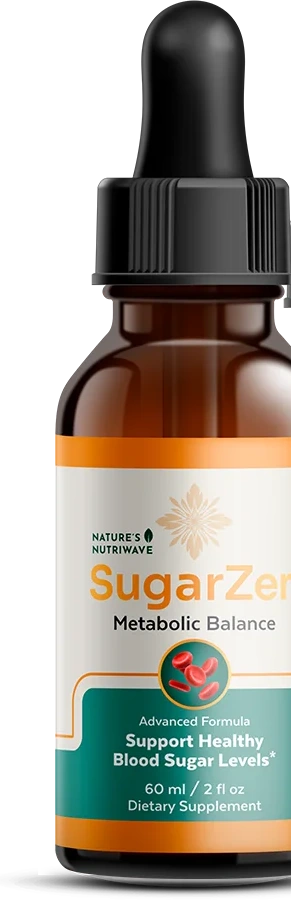
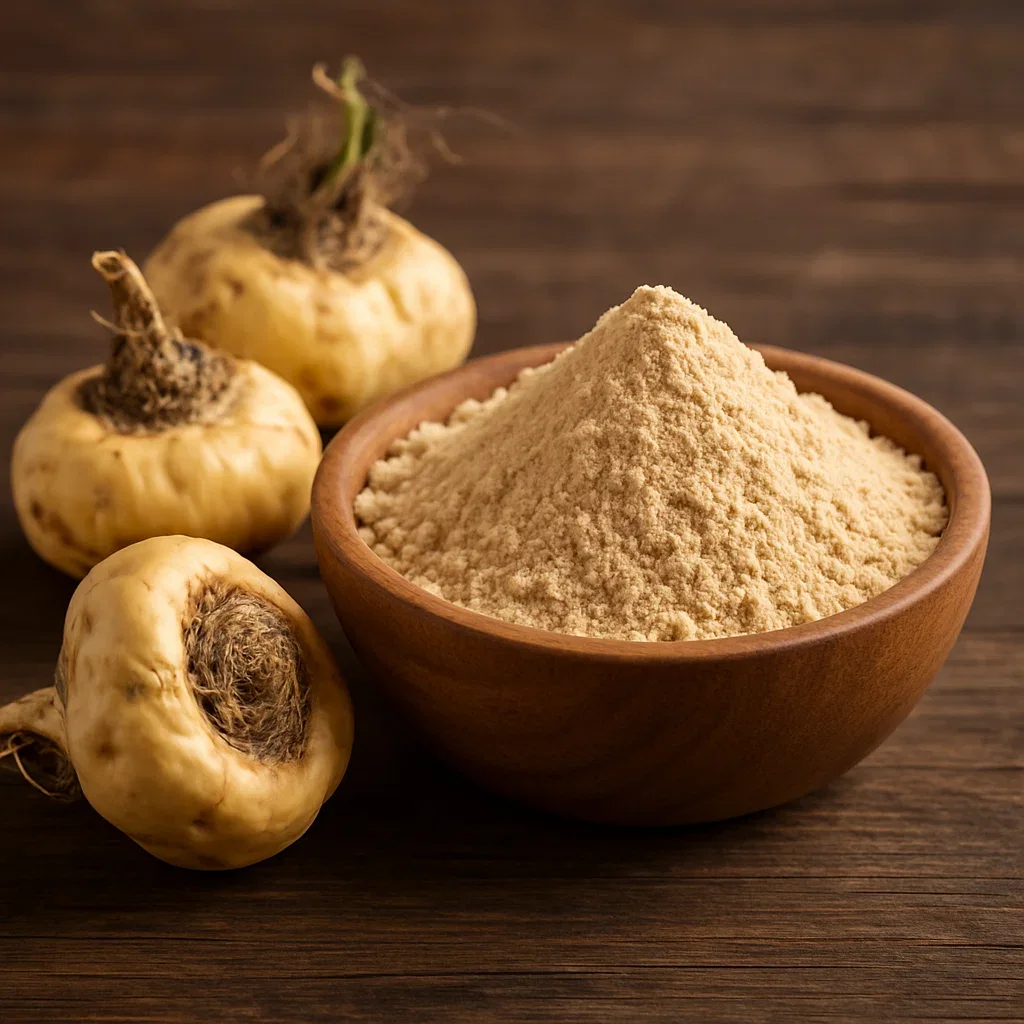
SugarZen is built around the gentle, transparent end of the spectrum. It combines the trace mineral chromium with a plant-based blend — gymnema, green tea, panax ginseng, maca and grape seed extract — using recognised ingredients rather than exotic, high-potency compounds. It is manufactured in the USA in a facility following Good Manufacturing Practices, and it deliberately avoids the more interaction-prone botanicals. Every active on that label, and what each one is traditionally used for, is set out in what ingredients are in SugarZen.
None of that removes the golden rule, which SugarZen states plainly: it is a dietary supplement, not a medicine, it is not intended to diagnose, treat, cure or prevent any disease, and anyone on medication should consult their doctor before use. You can review the complete ingredient list and bring it to your pharmacist — exactly the kind of transparency a safety-minded shopper should expect. If you are weighing the overall value question too, our honest take on whether SugarZen is worth it covers it candidly.
Choose transparency and a real guarantee
Every SugarZen package is backed by a 60-day money-back guarantee — so you can try it with confidence.
View SugarZen Packages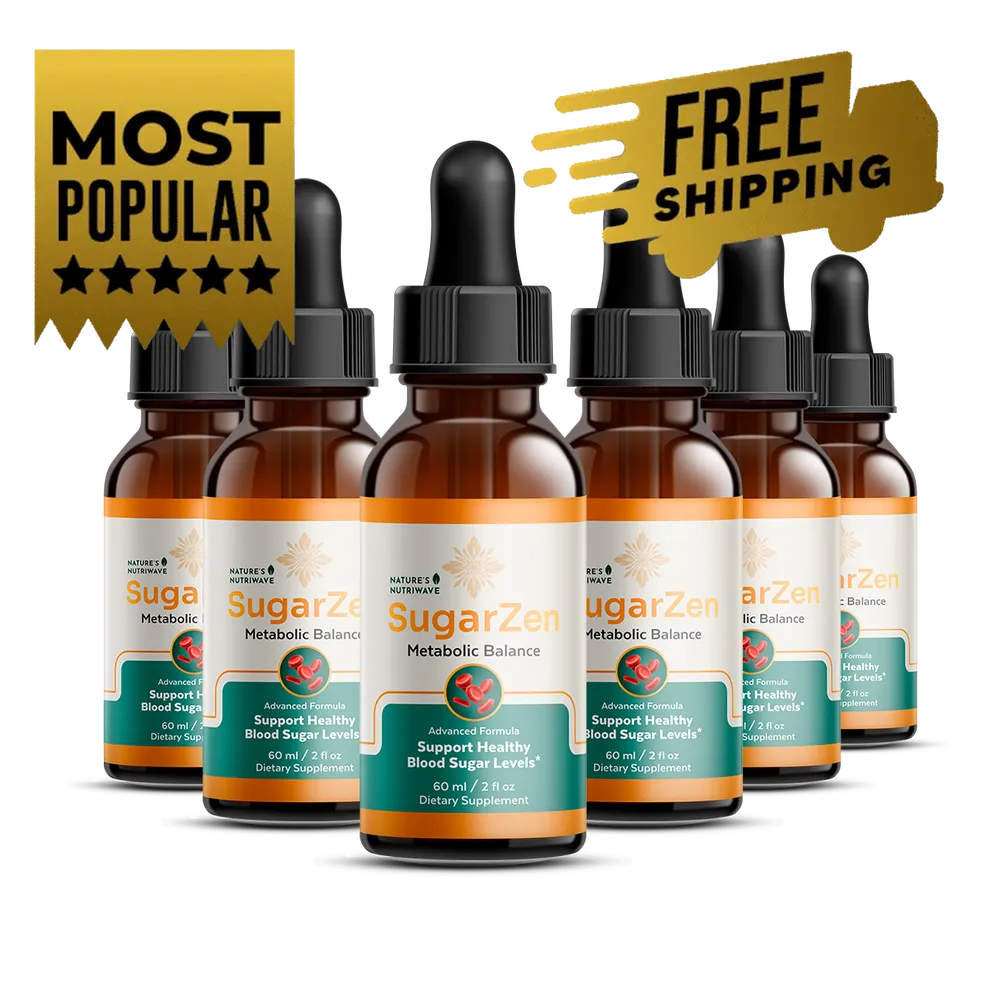
Frequently asked questions
Are blood sugar supplements safe?
For most healthy adults, well-made blood sugar supplements using recognised ingredients at sensible amounts are generally well tolerated. Safety depends heavily on the specific ingredients, the quality of manufacturing, and your personal situation. The most important safety step is to speak with your doctor or pharmacist before starting, especially if you take medication, are pregnant or nursing, or have a health condition.
What are the common side effects of blood sugar supplements?
The most commonly reported side effects are mild and digestive, such as an upset stomach, nausea or changes in bowel habits, and they often ease when a supplement is taken with food or eased in gradually. Certain potent botanicals like berberine cause digestive complaints more frequently. Reactions vary by person and by formula, so start conservatively and stop if anything feels wrong.
Can blood sugar supplements interact with medication?
Yes, some can. Ingredients that influence carbohydrate metabolism may add to the effect of blood-sugar-lowering medication, and certain botanicals affect how the body processes drugs. This is exactly why anyone taking prescriptions should check with a doctor or pharmacist before starting a supplement, rather than assuming natural means interaction-free.
Who should not take a blood sugar supplement without medical advice?
Anyone who takes prescription medication, is pregnant or breastfeeding, has a diagnosed medical condition, or is scheduled for surgery should talk to a healthcare professional first. Children should not take adult supplements. When in doubt, a short conversation with a pharmacist is a simple, free safety check.
How do I know a blood sugar supplement is good quality?
Look for products made in a facility that follows Good Manufacturing Practices (GMP), transparent labelling that lists ingredient amounts rather than hiding them in a proprietary blend, a clear manufacturer and contact details, and a real money-back guarantee. Avoid products making disease-cure claims, which is a regulatory red flag.
Is it safe to take a blood sugar supplement long term?
Many people use recognised ingredients as part of a long-term wellness routine, but long-term use is another good reason for periodic check-ins with your doctor, particularly if your medications or health change over time. Keep them informed so your routine stays appropriate as your circumstances evolve.
References
- Diabetes and Dietary Supplements: What the Science Says (NCCIH)
- Dietary and Herbal Supplements (NCCIH)
- Dietary Supplements: What You Need to Know (NIH Office of Dietary Supplements)
- Systematic review and meta-analysis of the efficacy and safety of chromium supplementation in diabetes (J Clin Pharm Ther, 2014)
- Unapproved Pharmaceutical Ingredients Included in Dietary Supplements Associated With US Food and Drug Administration Warnings (JAMA Netw Open, 2018)
Research on an ingredient is not evidence about any finished product. The reviews above studied single ingredients, often in people with diagnosed type 2 diabetes and at doses that may differ from any supplement you are considering, and their findings are mixed. Every reference was re-checked against its source record on 3 September 2026.
The SugarZen Research Team is a small group of nutrition and wellness writers focused on making ingredient science understandable. We assess supplement safety, quality signals and ingredient use against published guidance and translate it into practical, plain-English advice. We are not physicians, and our articles are educational rather than medical advice — always speak with a healthcare professional before starting or changing a supplement routine, particularly if you take medication.
† These statements have not been evaluated by the FDA. This product is not intended to diagnose, treat, cure or prevent any disease. This article is for general information only and is not medical advice. Individual results vary.