Chromium vs. Berberine for Blood Sugar: What's the Difference?
A dietary supplement is not a medicine and is not a treatment, drug or cure for diabetes or prediabetes. Blood sugar that runs high or swings unpredictably is a medical condition, and it needs a doctor rather than a supplement.
Never stop, reduce, delay or change a prescribed medication — insulin, metformin or anything else — because of an article or because you have started a supplement. Supplements taken alongside glucose-lowering medication can push readings lower than intended, so tell your prescriber before you add one. This article is general information, not medical advice or a diagnosis.
| Chromium | An essential trace mineral used in carbohydrate metabolism — taken in tiny amounts, gentle and inexpensive. |
| Berberine | A potent plant alkaloid taken in large doses — more research attention, but more side effects and interactions. |
| Key difference | Chromium fills a nutrient gap; berberine is a concentrated botanical extract. |
| SugarZen uses | Chromium plus botanicals — not berberine — for a gentle daily routine. |

If you have shopped for blood sugar support, you have almost certainly run into two names over and over: chromium and berberine. They are often mentioned in the same breath, which makes it easy to assume they are interchangeable. They are not. Understanding chromium vs berberine for blood sugar comes down to knowing what each one actually is — a mineral versus a plant compound — and how that changes the way you would use it.
This comparison lays out the differences in plain language: what they are, how they are traditionally used, how they differ on safety and cost, and where each fits into a daily routine. As always, this is general information and not medical advice. Because berberine in particular can interact with medications, talk to your doctor before adding either to your regimen.
What is chromium?
Chromium is an essential trace mineral, which means your body genuinely needs a small amount of it and cannot make its own. It is measured in micrograms — thousandths of a milligram — and is involved in how the body processes carbohydrates. It shows up naturally in foods like broccoli, whole grains, nuts and some meats, but modern, refined diets can fall short, which is one reason it appears so often in blood-sugar-support formulas. The NIH Office of Dietary Supplements sets out what is and is not established about it in the chromium fact sheet for health professionals.
Because it is a nutrient rather than a drug-like botanical, chromium is generally gentle and well tolerated within recommended intakes. Its role is to help fill a gap many people already have, quietly supporting normal carbohydrate metabolism as part of an overall healthy diet.
What is berberine?
Berberine is a completely different kind of ingredient. It is a plant alkaloid — a naturally occurring compound — extracted from herbs such as barberry, goldenseal and Oregon grape. It has been used in traditional Chinese and Ayurvedic practices for centuries and has drawn significant modern research interest for its effects on metabolism. Berberine is also the more heavily trialled of the two: a systematic review and meta-analysis of berberine and metabolic profiles (Oxid Med Cell Longev, 2021) pooled randomised trials in people with type 2 diabetes, a population very different from a healthy adult taking a daily supplement.
Unlike chromium, berberine is taken in relatively large amounts, often several hundred milligrams split across the day. It is more potent and more pharmacologically active, which is exactly why it comes with more caveats around side effects and interactions.
Chromium vs berberine: the core differences
Here is the heart of the comparison, side by side:
| Feature | Chromium | Berberine |
|---|---|---|
| What it is | Essential trace mineral | Plant alkaloid (botanical extract) |
| Typical amount | Micrograms | Hundreds of milligrams |
| Nutritional role | Fills a dietary gap | Not a required nutrient |
| Tolerability | Generally gentle | Digestive upset is common |
| Medication interactions | Fewer | Several; caution needed |
| Cost | Inexpensive | Higher per effective dose |
The takeaway is that these are not two versions of the same thing. Chromium is a small, foundational nutrient. Berberine is a strong, concentrated botanical. That difference shapes everything from dosing to safety.
Prefer the gentle, chromium-anchored route?
SugarZen pairs chromium with a plant-based blend in a once-daily dropper — no berberine, no pills to swallow.
See What's Inside SugarZenSafety and side effects
On tolerability, chromium has the easier profile. Consumed within recommended intakes as part of a supplement, it is generally well tolerated by most healthy adults. Berberine, taken in much larger amounts, more frequently causes digestive complaints like cramping, diarrhea or constipation, especially when someone starts at a full dose rather than easing in. The trade-off is that chromium’s measured effect is modest and inconsistent: a systematic review and meta-analysis of chromium and glycemic control (Pharmacol Res, 2020) found small changes that varied considerably between trials.
The bigger consideration with berberine is interactions. It can affect how the body processes a number of medications, so it is not a “just try it” ingredient for anyone on prescriptions. Neither chromium nor berberine treats, cures or prevents any disease, and neither replaces medication. If you take anything regularly, a quick check with your doctor or pharmacist is the responsible first move — a theme we return to throughout our buyer's guide to choosing a blood sugar supplement. An umbrella meta-analysis of berberine supplementation (Clin Ther, 2024) reviewing the pooled evidence flags the same caveat, and NCCIH’s summary of diabetes and dietary supplements repeats it for the category as a whole.
Cost and convenience
Chromium is inexpensive and easy to include at a meaningful amount in a broader formula, which is part of why it is so common. Berberine costs more per effective dose and typically needs to be split into two or three servings a day to be tolerable, which is less convenient than a single daily habit. If simplicity matters to you, that difference is worth weighing — and it connects to the wider format question of liquids versus capsules, since a once-daily dropper is far easier to stick with than multiple large capsules.
Where does SugarZen stand?
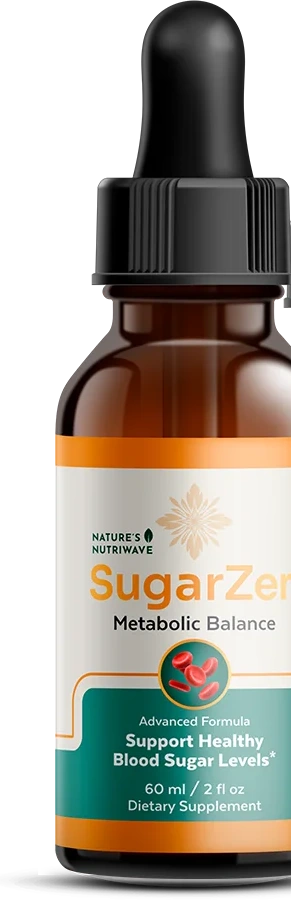
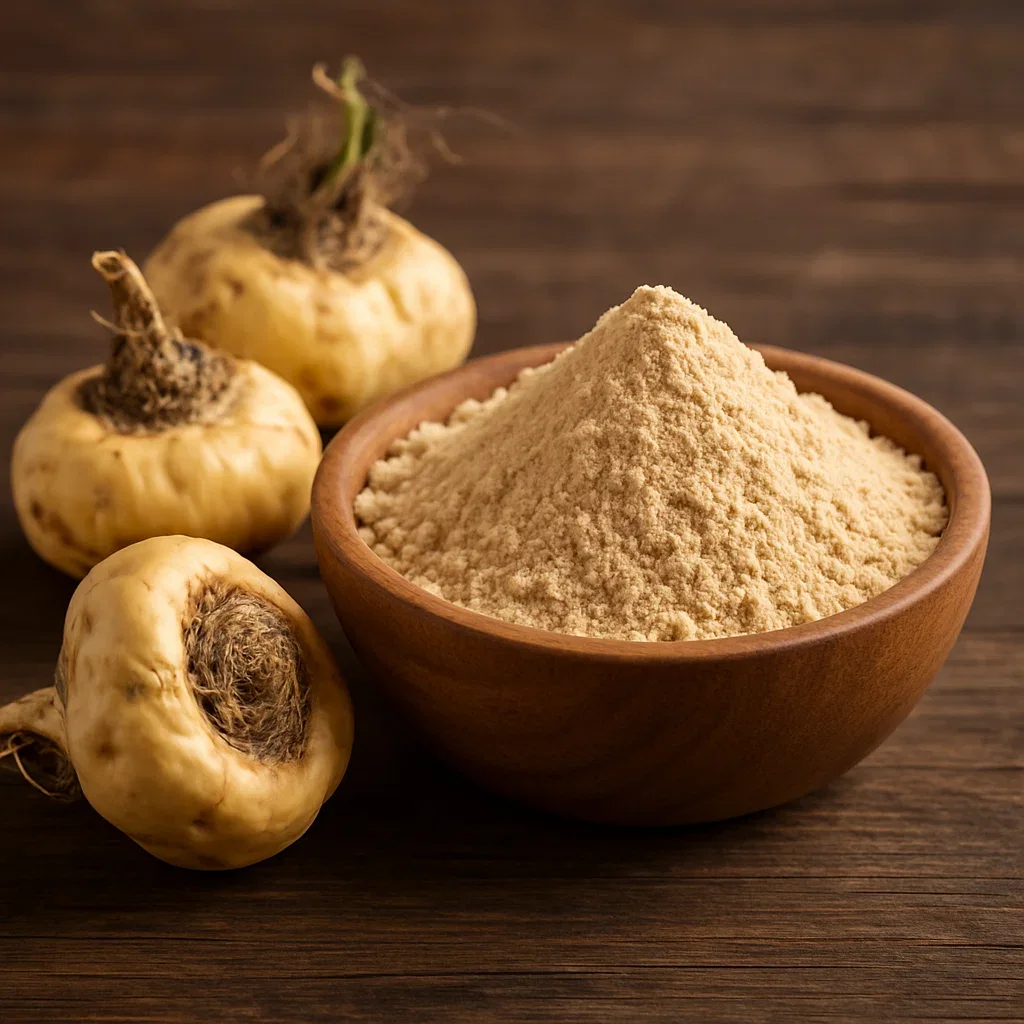
SugarZen takes the chromium-plus-botanicals approach rather than the berberine route. It uses chromium as its trace-mineral anchor and surrounds it with a plant-based blend — gymnema sylvestre, green tea, panax ginseng, maca and grape seed extract — all delivered as a fast-absorbing sublingual liquid. That means it sidesteps berberine's common digestive side effects and its medication interactions, while still leaning on a nutrient with a long history in the blood-sugar conversation.
This is a deliberate design choice for people who want gentle, once-daily support that layers cleanly on top of a healthy diet and regular movement. You can see the complete SugarZen ingredient list to compare it against whatever else you are considering.
So which should you choose?
There is no universal winner in chromium vs berberine for blood sugar — they simply serve different roles. Chromium is the gentle, inexpensive, foundational option that fills a nutrient gap many diets leave open. Berberine is the more potent botanical with more research attention but a heavier side-effect and interaction profile. For a lot of people, especially those on medication or with sensitive stomachs, a chromium-anchored formula is the more comfortable everyday choice. Whatever you decide, pair it with the fundamentals in our guide to supporting healthy blood sugar naturally — no single ingredient outperforms good habits. If berberine sounds stronger than you want, the gentler head-to-head is chromium versus cinnamon for blood sugar, which sets the same trace mineral against the spice most people already have in the cupboard.
Try the gentle daily approach
SugarZen delivers chromium and a botanical blend in simple sublingual drops — backed by a 60-day money-back guarantee.
View SugarZen Packages
Frequently asked questions
What is the difference between chromium and berberine?
Chromium is an essential trace mineral your body needs in tiny amounts and uses in carbohydrate metabolism. Berberine is a plant compound (an alkaloid) found in herbs like barberry and goldenseal, taken in much larger amounts. Chromium fills a nutritional role, while berberine is a botanical extract used for metabolic support.
Can you take chromium and berberine together?
Many formulas pair complementary blood-sugar-support ingredients, and chromium and berberine work through different pathways. However, berberine can interact with several medications, so combining them — or adding either to your routine — is a conversation to have with your doctor or pharmacist first, especially if you take prescriptions.
Does SugarZen contain berberine?
No. SugarZen uses chromium as its trace-mineral anchor alongside a plant-based blend that includes gymnema, green tea, panax ginseng, maca and grape seed extract. It does not contain berberine, so it avoids berberine's known medication interactions and its common digestive side effects.
Which is safer, chromium or berberine?
Chromium is a nutrient consumed in microgram amounts and is generally well tolerated within recommended intakes. Berberine is taken in far larger doses and more commonly causes digestive upset and can interact with medications. Neither is a treatment for any disease, and anyone on medication should check with a healthcare professional before use.
Is berberine better than chromium for blood sugar?
Neither is universally better — they do different jobs. Chromium addresses a nutrient many diets fall short on and is gentle and inexpensive, while berberine is a more potent botanical with more research attention but more side effects and interactions. The right choice depends on your needs, tolerance and your doctor's input.
References
- Chromium — Health Professional Fact Sheet (NIH Office of Dietary Supplements)
- Diabetes and Dietary Supplements: What the Science Says (NCCIH)
- Effects of chromium supplementation on glycemic control in patients with type 2 diabetes: a systematic review and meta-analysis of randomized controlled trials (Pharmacol Res, 2020)
- The Effect of Berberine on Metabolic Profiles in Type 2 Diabetic Patients: A Systematic Review and Meta-Analysis of Randomized Controlled Trials (Oxid Med Cell Longev, 2021)
- The Effect of Berberine Supplementation on Glycemic Control and Inflammatory Biomarkers in Metabolic Disorders: An Umbrella Meta-analysis of Randomized Controlled Trials (Clin Ther, 2024)
Research on an ingredient is not evidence about any finished product. The reviews above studied single ingredients, often in people with diagnosed type 2 diabetes and at doses that may differ from any supplement you are considering, and their findings are mixed. Every reference was re-checked against its source record on 3 September 2026.
The SugarZen Research Team is a small group of nutrition and wellness writers focused on making ingredient science understandable. We compare popular blood-sugar-support ingredients against the published literature and traditional-use record, then translate the findings into practical, plain-English guidance. We are not physicians, and our comparisons are educational rather than medical advice — always speak with a healthcare professional before changing your supplement routine, particularly if you take medication.
† These statements have not been evaluated by the FDA. This product is not intended to diagnose, treat, cure or prevent any disease. This article is for general information only and is not medical advice. Individual results vary.