How Long Do Blood Sugar Supplements Take to Work?
A dietary supplement is not a medicine and is not a treatment, drug or cure for diabetes or prediabetes. Blood sugar that runs high or swings unpredictably is a medical condition, and it needs a doctor rather than a supplement.
Never stop, reduce, delay or change a prescribed medication — insulin, metformin or anything else — because of an article or because you have started a supplement. Supplements taken alongside glucose-lowering medication can push readings lower than intended, so tell your prescriber before you add one. This article is general information, not medical advice or a diagnosis.
| Realistic window | Most people give a formula a fair trial of about 8–12 weeks of daily, consistent use. |
| Early signs | Some notice steadier energy or fewer sweet cravings in the first week or two — but that varies. |
| Why the wait | Supplements support normal processes gradually; they are foods, not fast-acting drugs. |
| Best test | Take it daily, keep other habits stable, and judge over weeks — not a single dose. |
It is one of the most reasonable questions a shopper can ask: how long do blood sugar supplements take to work? You have bought a bottle, you are taking it as directed, and understandably you want to know when — or whether — you should expect to notice anything. The honest answer is not as satisfying as “three days,” but it is far more useful, because it lets you run a fair test instead of quitting too early or expecting too much.
In this guide we lay out a realistic timeline for how long blood sugar supplements take to work, explain why the answer is measured in weeks rather than hours, cover what speeds it up or slows it down, and show you how to judge whether yours is actually helping. As always, this is general educational information, not medical advice — your doctor should guide any decisions about managing your health.
Why supplements are not fast-acting drugs
The single biggest reason expectations go wrong is a category error: treating a dietary supplement like a medication. Legally and practically, they are different things. A drug is designed to produce a defined, often rapid pharmacological effect. A dietary supplement is a food product designed to nourish and support your body's normal processes, gently, over time. NCCIH draws the same distinction in its overview of dietary and herbal supplements: supplements are regulated as food, not as drugs, and are not intended to act like them.
That difference is the whole story behind the timeline. Ingredients such as the trace mineral chromium or botanicals like gymnema sylvestre and green tea are not trying to override your biology in an afternoon. They contribute to normal carbohydrate metabolism as they become a steady, consistent presence in your routine. That is a slow build, not a switch you flip — which is exactly why a single serving rarely produces a dramatic, obvious moment.
A realistic week-by-week timeline
No two people respond identically, and nobody can promise a specific outcome. But here is a sensible framework for what a fair trial tends to look like:
| Timeframe | What some people notice |
|---|---|
| Days 1–7 | Building the habit. Some report steadier afternoon energy or a smaller pull toward sweets; many feel nothing specific yet, which is normal. |
| Weeks 2–4 | The routine is established. Subtle patterns — fewer energy dips, calmer cravings — may become easier to spot. |
| Weeks 4–8 | The core window. Cumulative support has had time to settle in alongside diet and movement. |
| Weeks 8–12 | Decision time. Enough consistent use has passed to judge fairly whether it earns a place in your routine. |
The pattern to notice is that the meaningful assessment happens over 8 to 12 weeks, not overnight. This is why so many reputable products offer a two-month satisfaction guarantee — it roughly matches the window a fair trial actually needs. That window is not arbitrary — it is roughly how long the underlying trials run. The studies pooled in a gymnema meta-analysis (Phytother Res, 2021) and in a green tea meta-analysis (Nutr Metab (Lond), 2020) mostly measured outcomes at 8 to 12 weeks or longer.
Give a fair trial a fair chance
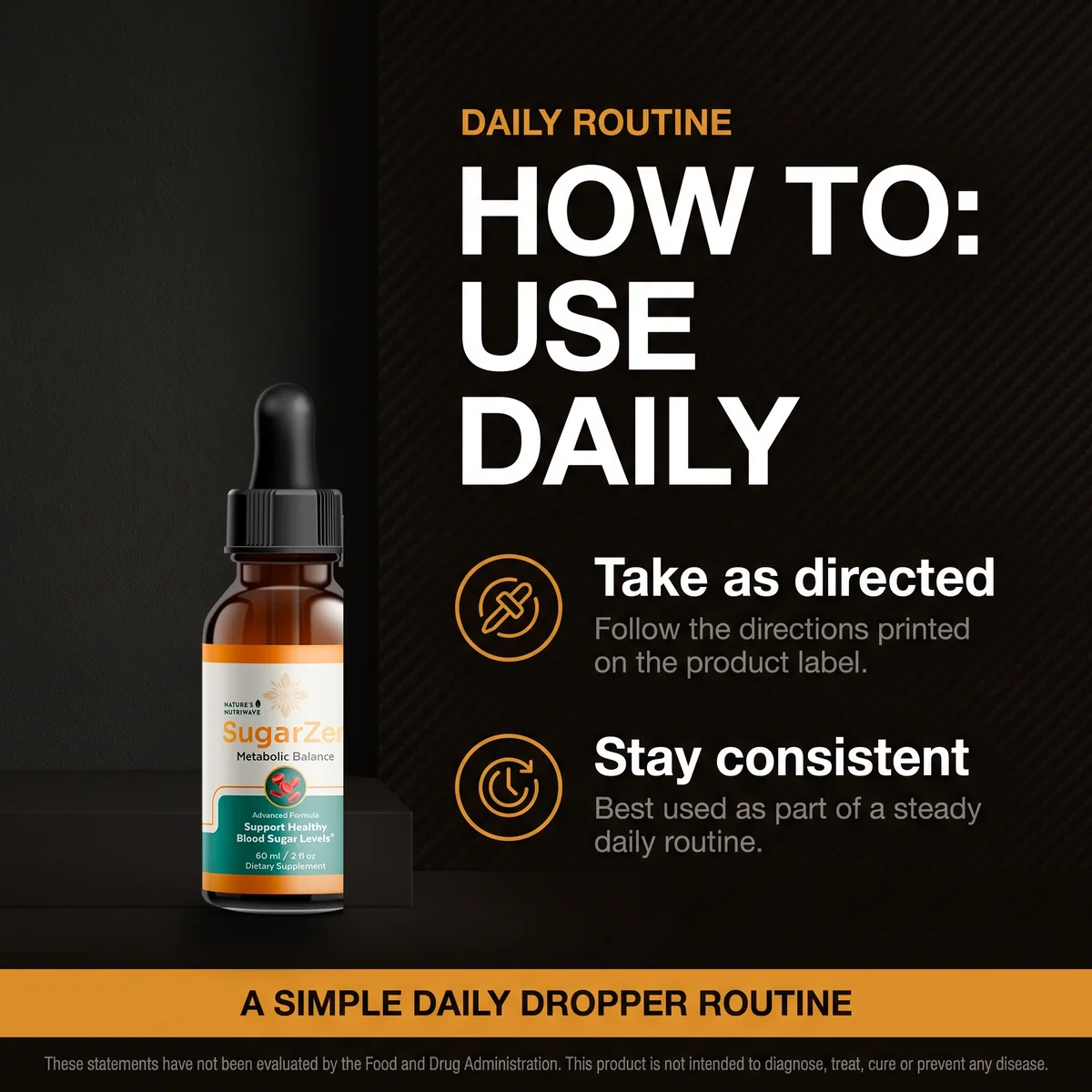
SugarZen is a once-daily liquid built for consistent use, backed by a 60-day money-back guarantee — a sensible window to judge for yourself.
See SugarZen & the GuaranteeWhat speeds it up — or slows it down
Two people can take the identical supplement and have very different experiences, and the reasons are usually mundane rather than mysterious. The biggest levers are:
Consistency
This is the number-one factor by a wide margin. A supplement taken most days, skipped on weekends and forgotten during a busy week cannot build the steady presence it depends on. Daily consistency is what a cumulative ingredient needs, so the boring habit of taking it at the same time every day does more than any “hack.” NCCIH’s guidance on using dietary supplements wisely makes the same point about taking a product as directed for as long as directed.
Your diet and movement
A supplement is a supporting actor, not the lead. If it is layered on top of a diet full of refined carbohydrates and no activity, it is fighting uphill. Layered on top of balanced meals and regular walking, it has something to support. We cover the fundamentals in depth in our guide to supporting healthy blood sugar naturally.
Format and absorption
How well and how conveniently a formula is absorbed and taken plays a role too. A liquid taken under the tongue, for instance, is designed for fast absorption and is easy to remember, which supports consistency — a topic we unpack in our comparison of liquid versus capsule blood sugar supplements.
Your individual biology
Age, baseline nutrient status, genetics and overall health all shape how you respond. There is no way around the fact that individual results vary — which is precisely why a personal trial, rather than someone else's testimonial, is the only test that matters for you. Baseline status matters more than people expect: the NIH chromium fact sheet for health professionals notes that chromium absorption is low and varies with intake, which is one reason responses differ so widely between individuals.

How to know if it is actually working
The trap here is vague memory. “I think I feel a bit better” is easy to talk yourself into or out of. Instead, run a simple, honest self-audit over your 8-to-12-week trial:
- Energy: Note whether the classic mid-afternoon slump softens.
- Cravings: Watch whether the urge to reach for something sweet feels weaker or easier to ignore.
- Overall sense of steadiness: Track your general day-to-day feeling of balance.
- Anything your doctor measures: If your physician monitors specific markers, their readings are the objective anchor — follow their guidance, not a supplement label.
The key discipline is to keep the rest of your life reasonably stable during the trial. If you simultaneously overhaul your diet, start a new exercise plan and change your sleep, you will never know what did what. Change one thing at a time and you get a clean read. This same “test it honestly” mindset runs through our candid look at whether SugarZen is worth it.
Where SugarZen fits

SugarZen is designed exactly for this “slow and steady” model. It is a once-daily sublingual liquid combining chromium with a plant-based blend — gymnema, green tea, panax ginseng, maca and grape seed extract — meant to be taken consistently rather than in a rush. Because it is easy to remember and quick to take, it removes one of the biggest obstacles to a fair trial: actually taking it every day.
The 60-day money-back guarantee is not a throwaway detail either. It happens to line up neatly with the two-month window a genuine trial needs, which means you can commit to daily use and still make an unhurried decision. You can review the full how-to-use instructions before you start so your trial is set up properly from day one.
Start your 60-day trial the right way
Multi-bottle packages make daily consistency easy — and they are backed by SugarZen's money-back guarantee.
View SugarZen Packages
Frequently asked questions
How long do blood sugar supplements take to work?
Most blood sugar supplements are designed for gradual, cumulative support rather than an instant effect. Many people give a formula a fair trial of about 8 to 12 weeks of daily, consistent use, taken alongside a healthy diet and regular movement. Some notice small day-to-day changes, such as steadier energy or fewer cravings, sooner, but the meaningful assessment happens over weeks, not hours.
Why do supplements take longer than medication?
Dietary supplements are foods, not drugs. They are formulated to nourish and support normal processes gently over time, not to force a rapid change. Nutrients like chromium and botanicals such as gymnema build their contribution slowly as they become a consistent part of your routine, which is why patience and daily consistency matter more than a single dose.
How do I know if my blood sugar supplement is working?
Track a few simple, honest markers over 8 to 12 weeks: your energy levels through the afternoon, the strength of your sweet cravings, and how you feel overall, alongside any measurements your doctor recommends. Keep the rest of your routine stable so you can attribute changes fairly, and remember that supplements support, rather than replace, good habits.
How long should I take SugarZen before deciding?
SugarZen is a once-daily liquid intended for consistent, ongoing use. Because its 60-day money-back guarantee spans two months, it gives you a sensible window to take it daily and judge for yourself. Give any supplement a genuine, uninterrupted trial before deciding, and pair it with a healthy diet and movement for the fairest test.
Can you feel a blood sugar supplement working right away?
Some people report subtle, near-term impressions such as steadier energy or reduced urge to snack on sweets within the first week or two, but these are individual experiences, not guarantees. The core benefits of a support supplement are cumulative, so the honest answer is that the real picture emerges over weeks of daily use.
Should I stop if I notice nothing in the first week?
Not necessarily. Because these formulas build gradually, a quiet first week is completely normal and not a reason to quit. Give it the full trial window of roughly 8 to 12 weeks of consistent daily use before judging, keeping your diet and activity stable so you can read the result fairly.
References
- Dietary and Herbal Supplements (NCCIH)
- Using Dietary Supplements Wisely (NCCIH)
- Chromium — Health Professional Fact Sheet (NIH Office of Dietary Supplements)
- The effect of Gymnema sylvestre supplementation on glycemic control in type 2 diabetes patients: A systematic review and meta-analysis (Phytother Res, 2021)
- Effects of green tea consumption on glycemic control: a systematic review and meta-analysis of randomized controlled trials (Nutr Metab (Lond), 2020)
Research on an ingredient is not evidence about any finished product. The reviews above studied single ingredients, often in people with diagnosed type 2 diabetes and at doses that may differ from any supplement you are considering, and their findings are mixed. Every reference was re-checked against its source record on 3 September 2026.
The SugarZen Research Team is a small group of nutrition and wellness writers focused on making ingredient science understandable. We translate published research and traditional-use records into practical, plain-English guidance about supporting healthy blood sugar. We are not physicians, and our articles are educational rather than medical advice — always speak with a healthcare professional before changing your supplement routine, particularly if you take medication.
† These statements have not been evaluated by the FDA. This product is not intended to diagnose, treat, cure or prevent any disease. This article is for general information only and is not medical advice. Individual results vary.