Gymnema Sylvestre vs. Cinnamon for Blood Sugar: Which Is Better?
A dietary supplement is not a medicine and is not a treatment, drug or cure for diabetes or prediabetes. Blood sugar that runs high or swings unpredictably is a medical condition, and it needs a doctor rather than a supplement.
Never stop, reduce, delay or change a prescribed medication — insulin, metformin or anything else — because of an article or because you have started a supplement. Supplements taken alongside glucose-lowering medication can push readings lower than intended, so tell your prescriber before you add one. This article is general information, not medical advice or a diagnosis.
| Gymnema sylvestre | An Ayurvedic climbing shrub famous for temporarily dulling sweetness — a focused botanical for daily support. |
| Cinnamon | A familiar, inexpensive culinary spice from tree bark — easy to add to food, gentle in typical amounts. |
| Key difference | Gymnema is a specialised supplement herb; cinnamon is an everyday kitchen spice. |
| SugarZen uses | Gymnema sylvestre in a plant-based liquid blend — not cinnamon — for once-daily support. |
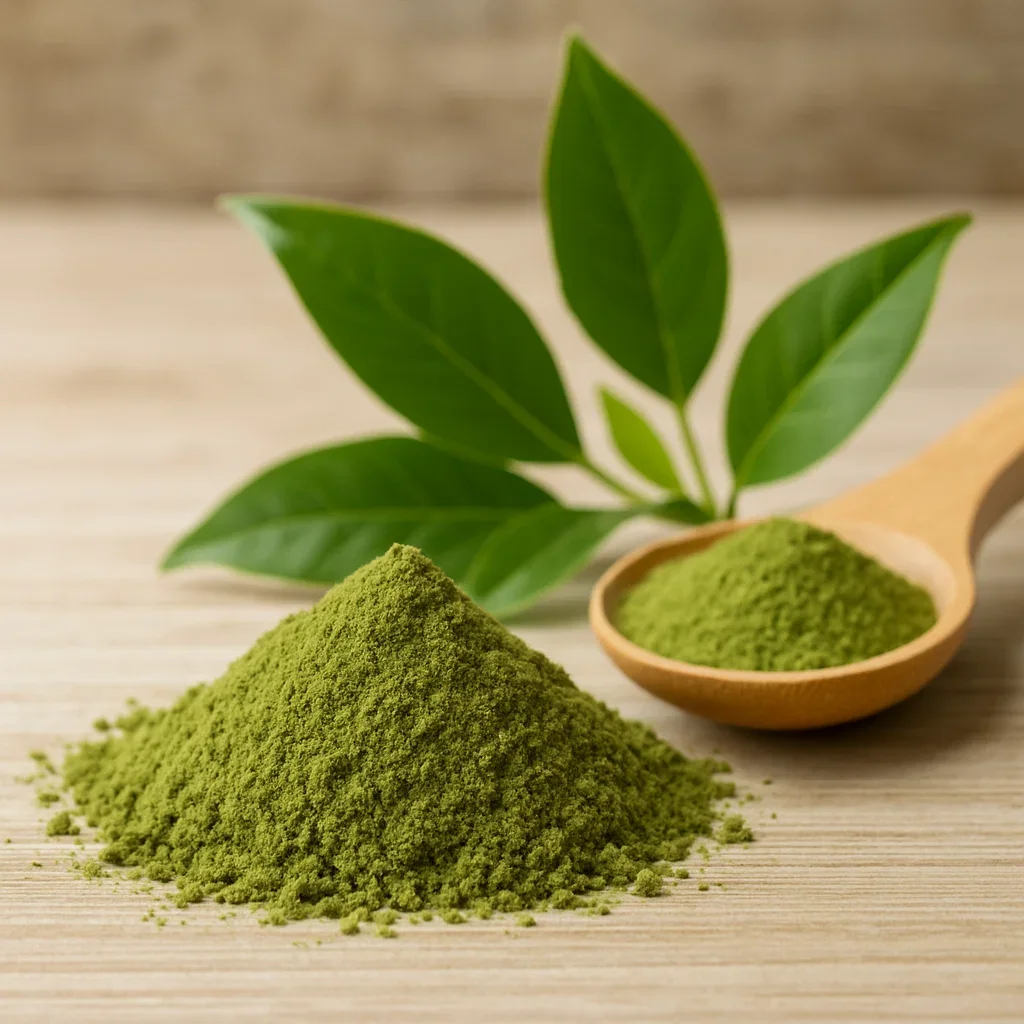
Walk down the supplement aisle or scroll a few product pages and two herbs keep surfacing in the blood sugar conversation: gymnema sylvestre and cinnamon. They are wildly different plants with wildly different histories, yet they are constantly compared because both have a long traditional association with sweetness and carbohydrate metabolism. If you are weighing gymnema sylvestre vs cinnamon for blood sugar, the useful question is not “which one wins” but “which one actually fits how I eat, cook and take supplements.”
This comparison lays out the differences in plain language: what each herb is, how it is traditionally used, how they differ on taste, safety and cost, and where each fits into a daily routine. As always, this is general educational information and not medical advice. If you take medication or manage a health condition, talk to your doctor before adding either to your regimen.
What is gymnema sylvestre?
Gymnema sylvestre is a woody climbing shrub native to the tropical forests of India and parts of Africa and Australia. In Ayurvedic tradition it carries the Hindi name gurmar, often translated as “sugar destroyer” — a name it earned centuries ago, long before anyone measured a blood sugar reading. That reputation comes from a genuinely unusual property: chewing the leaf, or taking an extract, can temporarily make sweet foods taste far less sweet.
Chemically, gymnema leaves contain compounds called gymnemic acids, which appear to interact with the sweet-taste receptors on the tongue. Because of this taste effect and its long traditional-use record, gymnema is one of the most common anchor herbs in modern blood-sugar-support formulas. It is a specialised botanical — you are unlikely to sprinkle it on your oatmeal — which is exactly why it tends to live in supplements rather than the kitchen. Gymnema has been trialled in people with type 2 diabetes: a systematic review and meta-analysis of gymnema and glycemic control (Phytother Res, 2021) pooled that evidence and found it limited in both quantity and quality.
What is cinnamon?
Cinnamon needs almost no introduction. It is a spice made from the inner bark of trees in the Cinnamomum family, and it has been traded and treasured for thousands of years. Most supermarket cinnamon is the cassia type, while the milder, pricier Ceylon (“true”) cinnamon is a different species. That distinction matters more than most people realise, and we will come back to it under safety. NCCIH keeps a plain-language summary of the evidence on cinnamon.
Cinnamon has been studied for its relationship with carbohydrate metabolism, and it is the classic example of a food-first ingredient: you can stir it into coffee, yoghurt, oats or a smoothie without buying anything unusual. Its appeal is convenience and familiarity. The trade-off is that the amount you get from casually seasoning food is small and hard to standardise compared with a measured supplement dose. The most recent pooling of that work, an updated systematic review and dose-response meta-analysis (Phytother Res, 2024), reports modest average effects with wide variation between studies.
Gymnema vs cinnamon: the core differences
Here is the heart of the comparison, side by side:
| Feature | Gymnema sylvestre | Cinnamon |
|---|---|---|
| What it is | Ayurvedic leaf extract | Culinary tree-bark spice |
| Signature trait | Temporarily dulls sweetness | Warm flavour, easy to cook with |
| Typical form | Supplement (capsule, liquid) | Ground spice or capsule |
| Ease of use | Needs a supplement | Add to everyday food |
| Cost | Moderate (extract) | Very inexpensive as a spice |
| Main caution | Check with a doctor if on medication | Cassia contains coumarin; use Ceylon for larger amounts |
The takeaway is that these are not two versions of the same idea. Gymnema is a focused botanical you take deliberately; cinnamon is a versatile spice you can fold into meals. Your lifestyle often decides the winner more than the biology does.
Prefer a focused, gymnema-anchored routine?
SugarZen pairs gymnema sylvestre with chromium and a botanical blend in a once-daily dropper — no measuring spoons, no guesswork.
See What's Inside SugarZenThe taste factor: gymnema's party trick
One thing cinnamon cannot do is change how sweetness tastes. Gymnema can. Thanks to those gymnemic acids, sweet foods eaten shortly after gymnema often taste flat or muted — a piece of chocolate can register more like the texture than the flavour. Many people find this genuinely helpful for sweet cravings, because a dessert that does not deliver its usual hit is a lot easier to walk past.
This is a temporary sensory effect, not a metabolic cure, and it is not the reason gymnema belongs in a formula — but it is a memorable, tangible experience that cinnamon simply does not offer. If curbing the urge to snack on sweets is part of your goal, gymnema has a clear edge here.
Safety and side effects
Both herbs are generally well tolerated when used sensibly, but they carry different cautions. Gymnema is a concentrated botanical, so the main advice is the standard one: if you take medication or have a medical condition, clear it with your doctor first, because supporting healthy metabolism is exactly the area where you do not want unexpected overlap with treatment. A broader systematic review and meta-analysis of gymnema supplementation in adults (Phytother Res, 2023) looked at lipids, blood pressure and body measures alongside glucose and drew similarly cautious conclusions.
Cinnamon has its own quirk. Common cassia cinnamon contains a natural compound called coumarin, which in large, daily amounts is not ideal for the liver in sensitive individuals. Sprinkling it on your toast is a non-issue, but if you plan to take cinnamon in high supplemental doses, the milder Ceylon variety is the safer pick because it contains far less coumarin. Neither herb treats, cures or prevents any disease, and neither replaces medication. We walk through how to read labels and judge these trade-offs in our buyer's guide to choosing a blood sugar supplement.

Cost and convenience
Cinnamon wins on raw price — it is one of the cheapest ingredients in your pantry, and a jar lasts months. But “cheap” only counts if the amount you actually consume is meaningful and consistent, and casual seasoning is neither. Gymnema costs more as a standardised extract, but that cost buys you a measured, repeatable dose in a form designed for daily use. This convenience question sits right next to the wider liquid-versus-capsule format decision, since the format you choose is what determines whether you actually keep the habit.
If you love to cook and want the simplest possible add-on, cinnamon is a lovely, low-stakes habit. If you want a focused, standardised amount without thinking about it, a gymnema-based supplement is the more reliable route.
Where does SugarZen stand?
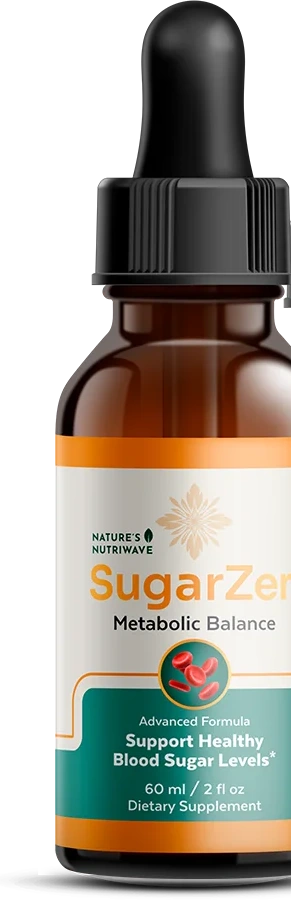
SugarZen takes the gymnema-anchored approach. It builds its plant-based blend around gymnema sylvestre and pairs it with chromium, green tea, panax ginseng, maca and grape seed extract, all delivered as a fast-absorbing sublingual liquid. That means you get a measured amount of gymnema in a once-daily dropper rather than trying to standardise a spice you shake onto food by eye.
This is a deliberate design choice for people who want focused, consistent support that layers on top of a healthy diet and regular movement. You can see the complete SugarZen ingredient list to compare it against whatever else you are considering — and if you like the idea of cinnamon too, there is nothing stopping you from enjoying it in your food alongside a gymnema supplement.
So which should you choose?
There is no universal champion in gymnema sylvestre vs cinnamon for blood sugar — they suit different people and different habits. Cinnamon is the familiar, food-first, ultra-cheap option that folds effortlessly into meals, with the caveat of choosing Ceylon if you want larger amounts. Gymnema is the focused, standardised botanical with a unique effect on sweet cravings and a long traditional-use record, better suited to a deliberate daily supplement. For many people the honest answer is “both, in their proper places”: cinnamon in the kitchen, gymnema in a well-built formula. Whichever you lean toward, remember that no single herb outperforms the fundamentals in our guide to supporting healthy blood sugar naturally. If it is the cinnamon side you keep circling back to, our comparison of chromium versus cinnamon for blood sugar weighs that same spice against a trace mineral instead.
Try the gentle daily approach
SugarZen delivers gymnema and a botanical blend in simple sublingual drops — backed by a 60-day money-back guarantee.
View SugarZen Packages
Frequently asked questions
What is the difference between gymnema and cinnamon for blood sugar?
Gymnema sylvestre is a climbing shrub from India used in Ayurveda and known for temporarily dulling the taste of sweetness, while cinnamon is a common culinary spice made from tree bark. Both are traditionally associated with carbohydrate metabolism, but gymnema is a more specialised botanical while cinnamon is an everyday spice that is easy to add to food.
Is gymnema or cinnamon better for blood sugar support?
Neither is universally better. Gymnema is prized in traditional practice for its link to sweet cravings and carbohydrate handling, while cinnamon is inexpensive, familiar and easy to use in cooking. Many formulas favour gymnema for a focused supplement, while cinnamon suits people who prefer a food-first approach. Neither treats any disease.
Does SugarZen contain gymnema or cinnamon?
SugarZen features gymnema sylvestre as part of its plant-based blend, alongside chromium, green tea, panax ginseng, maca and grape seed extract, delivered as a once-daily liquid. It is built around gymnema and complementary botanicals rather than cinnamon.
Can you take gymnema and cinnamon together?
Many people use cinnamon in cooking while taking a gymnema-containing supplement, and the two work in different ways. As with any combination, if you take medication or have a health condition, check with your doctor or pharmacist first, since supplements and even large amounts of spice can occasionally interact with treatment.
Why does gymnema make sweet foods taste different?
Gymnema contains compounds called gymnemic acids that can temporarily bind to the sweet-taste receptors on the tongue. For a short time after taking it, sugary foods can taste noticeably less sweet, which is one reason gymnema has such a long history in the conversation about sweet cravings.
Which type of cinnamon is best if I want a supplement?
If you plan to take cinnamon in larger, daily supplemental amounts, Ceylon (“true”) cinnamon is generally preferred because it contains much less coumarin than common cassia cinnamon. For ordinary cooking, either type is fine in normal culinary quantities.
References
- Cinnamon (NCCIH)
- Dietary and Herbal Supplements (NCCIH)
- The effect of Gymnema sylvestre supplementation on glycemic control in type 2 diabetes patients: A systematic review and meta-analysis (Phytother Res, 2021)
- The effects of Gymnema Sylvestre supplementation on lipid profile, glycemic control, blood pressure, and anthropometric indices in adults: A systematic review and meta-analysis (Phytother Res, 2023)
- The effect of cinnamon supplementation on glycemic control in patients with type 2 diabetes mellitus: An updated systematic review and dose-response meta-analysis of randomized controlled trials (Phytother Res, 2024)
Research on an ingredient is not evidence about any finished product. The reviews above studied single ingredients, often in people with diagnosed type 2 diabetes and at doses that may differ from any supplement you are considering, and their findings are mixed. Every reference was re-checked against its source record on 3 September 2026.
The SugarZen Research Team is a small group of nutrition and wellness writers focused on making ingredient science understandable. We compare popular blood-sugar-support ingredients against the published literature and traditional-use record, then translate the findings into practical, plain-English guidance. We are not physicians, and our comparisons are educational rather than medical advice — always speak with a healthcare professional before changing your supplement routine, particularly if you take medication.
† These statements have not been evaluated by the FDA. This product is not intended to diagnose, treat, cure or prevent any disease. This article is for general information only and is not medical advice. Individual results vary.